
jinyilijinyili
- Home
- About
Step into Jinyili
- Product
Product
- Cases
- News
-
+86 135 4946 4701
-
Hot Searches:Sponge Manufacturer | Sponge Products | Polyurethane Sponge | Packaging Sponge | High-Density Resilient Sponge
- Product

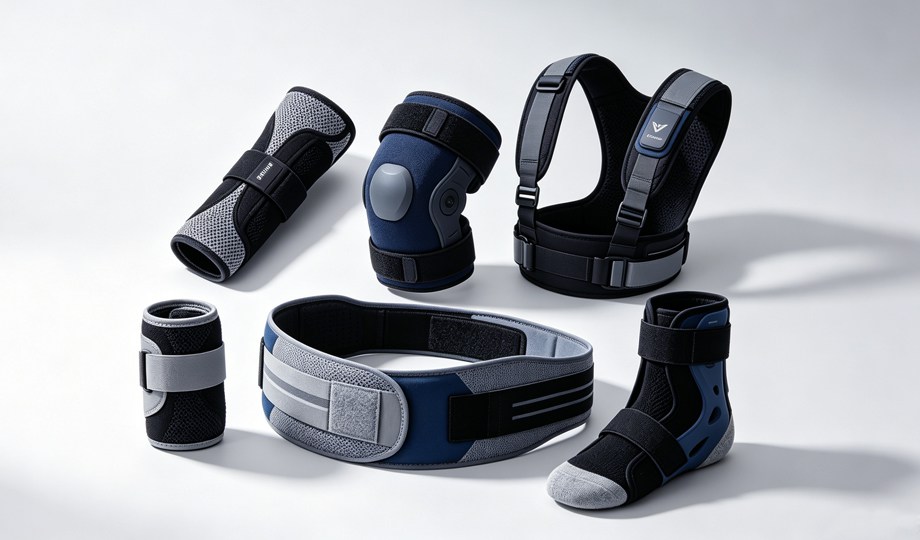
With the rapid development of the health and elderly care industry, assistive devices such as wheelchair cushions, rehabilitation braces, positioning pads, post-operative fixation liners and rehabilitation training pads have increasingly stringent requirements for the safety, fitting performance, pressure relief performance and breathability of the core filling sponge.
Common material selection challenges in the industry:
1. Ordinary sponges lack sufficient support and are prone to collapse under force, which easily causes local pressure during long-term sitting or lying, inducing pressure ulcers and poor blood circulation;
2. Low-quality sponges have poor breathability, are prone to stuffy sweat and debris shedding, and have poor skin-friendliness, making them unsuitable for long-term close contact use by post-operative patients and people with mobility impairments;
3. Conventional sponges cannot be specially shaped to fit the human body curve, resulting in stiff braces that rub against the skin and deliver a poor wearing experience during rehabilitation;
4. Most manufacturers cannot adjust hardness and density on demand, and their products lack compliant properties such as eco-friendliness, antibacterial performance and flame retardancy, making it difficult to meet medical rehabilitation testing standards.
A cooperative enterprise in Guangzhou that focuses on the R&D and production of rehabilitation assistive devices, mainly offering products for elderly care, post-operative rehabilitation and sports injury protection, was plagued by unstable sponge batches, poor pressure relief effect and easy aging deformation of its original sponge suppliers. It was in urgent need of polyurethane sponges adapted to high-end rehabilitation scenarios, and found Jinyili Sponge Source Factory online for in-depth customized supporting services.
1. Adapt to multiple categories of rehabilitation products: wheelchair pressure relief cushions, bedridden positioning pads, waist and knee brace liners, post-operative fixation sponges, rehabilitation training protective pads;
2. The material must be skin-friendly and breathable, with pressure relief and cushioning performance, and will not collapse after long-term use, effectively dispersing body pressure to prevent pressure ulcers caused by long-term bed rest or prolonged sitting;
3. Support special-shaped cutting and arc fitting to adapt to ergonomic contours without causing a tight feeling during wearing;
4. Eco-friendly with low peculiar odor, no particle shedding, anti-aging, suitable for long-term close contact use; some products need to meet the requirements of safety flame retardancy, mildew resistance and antibacterial performance;
5. Customizable specifications of different densities and softness/hardness to adapt to different rehabilitation scenarios such as support, cushioning and protection, while ensuring stable mass supply.



-
About
Company Profile Corporate Culture Corporate Image Qualification Certificates Partners Video Center -
Product
-
Cases
Toddler Seats Auto Interiors Electronics Packaging Building Sound Insulation Premium Packaging Rehab Products Home Furniture AC Special Use Sports Goods More>> -
News
Company News Industry Insights FAQs -
Contact
Contact