
jinyilijinyili
- Home
- About
Step into Jinyili
- Product
Product
- Cases
- News
-
+86 135 4946 4701
-
Hot Searches:Sponge Manufacturer | Sponge Products | Polyurethane Sponge | Packaging Sponge | High-Density Resilient Sponge
- Product

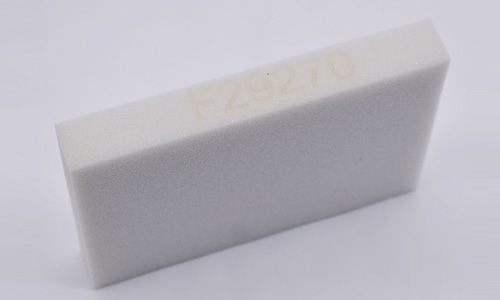
During long-term use, automotive interior sponges are prone to the following types of common problems due to the influence of environment, material properties and manufacturing processes:
I. Aging and Performance Degradation Issues
1. Sponge Hardening and Loss of Elasticity
This is the most common aging phenomenon. The interior of a car is exposed to prolonged high-temperature sun exposure. Especially in summer, the temperature inside the vehicle can reach 60-70°C. Ultraviolet rays and heat will accelerate the breakage of polyurethane molecular chains in the sponge, causing the sponge to gradually harden and its resilience to decline. This phenomenon is particularly prominent in parts directly exposed to sunlight such as the instrument panel and door panels. The hardened sponge not only has poor tactile sensation, but also its buffering performance is greatly reduced, which impairs riding comfort and safety.
2. Sponge Collapse and Deformation
After tens of thousands of repeated compressions, the internal structure of the seat cushion sponge that bears the weight of the human body for a long time will gradually fatigue, resulting in irreversible collapse. It manifests as sunken pits in the middle of the cushion and loss of support from the backrest sponge. This is directly related to the density, rebound rate and usage frequency of the sponge. Low-density sponges are more prone to collapse, with a typical service life of about 3 to 5 years.
3. Sponge Pulverization and Sloughing
Severely aged sponges will show surface pulverization, with fine powder shedding when touched by hands. This occurs when polyurethane materials degrade under the combined action of high temperature, humidity and ultraviolet rays, breaking the molecular chains into small molecular fragments. The pulverized sponge not only loses its functional properties, but the falling powder may also contaminate the in-vehicle environment and pose health risks if inhaled.
II. Environmental Protection and Health Issues
1. Odor and VOC Emission
New car interior sponges often carry odors, which mainly come from residual volatile organic compounds during the sponge production process, including formaldehyde, benzene series, amines and other substances. Under normal circumstances, the odor will gradually dissipate within 1 to 3 months through ventilation and airing. However, if the odor is pungent and lingers for a long time, it indicates that the VOC emission of the sponge exceeds the standard, which is usually caused by inferior raw materials or excessive additives. Long-term exposure to such an environment may cause dizziness, respiratory discomfort and other symptoms.
2. Mold Growth and Bacteria Propagation
When the humidity inside the car is high, especially during the rainy season in southern China or after the vehicle is waded, the interior of the sponge is prone to absorbing moisture and getting moldy. Molds multiply in the porous structure of the sponge, producing musty odors and harmful spores, which not only deteriorate the in-vehicle air quality but also may trigger allergic reactions. If the seat sponge stays damp for a long time, it may also breed bacteria, posing hidden risks to skin health.
3. Migration of Harmful Substances
Some inferior sponges use additives containing harmful substances such as heavy metals and phthalates during production. In high-temperature environments, these harmful substances may migrate out of the sponge, contaminating the in-vehicle air or coming into contact with human skin. Long-term exposure may cause potential health hazards, especially for children and sensitive groups.
III. Physical Damage and Usage Issues
1. Surface Damage and Tearing of Sponges
Scratches from sharp objects, pet scratching, children trampling and other behaviors may cause damage to the sponge surface. After damage, the debris inside the sponge is prone to shedding, affecting the appearance and service life. In addition, the damaged areas are more likely to accumulate dust and dirt, increasing the difficulty of cleaning.
2. Separation Between Sponge and Fabric
The seat sponge and the surface fabric are usually bonded together through adhesive bonding or thermal lamination. After long-term use, the adhesive may age and fail, leading to separation between the fabric and the sponge, resulting in blistering, wrinkles and other phenomena. This not only undermines the appearance but also reduces riding comfort.
3. Deterioration of Sponge Sound Absorption Performance
The sound insulation sponges used in door panels, ceilings, instrument panels and other parts will gradually lose their sound absorption performance after long-term use. This happens because the pores of the sponge are blocked by dust and oil stains, or the aging of the sponge destroys its internal structure, making it unable to effectively absorb sound wave energy. The manifestation is that the in-vehicle noise becomes louder, and the sound insulation effect is not as good as that of a new car.
IV. Purchase and Replacement Recommendations
1. Focus on Density and Environmental Certifications During Purchase
High-density sponges (above 40kg/m³) usually have better durability and support performance. At the same time, it is recommended to select products with environmental test reports to ensure that VOC emissions meet national standards.
2. Regular Inspection and Maintenance
Check every six months for signs of collapse and hardening of the seat sponge, as well as mold and damage on the door panel sponge. Deal with abnormalities in time to prevent the problems from worsening.
3. Replacement Timing
It is recommended to replace the seat sponge in time when obvious collapse, pulverization, or non-eliminable odor occurs. The service life of the seat sponge for ordinary family cars is about 5 to 8 years, which depends on the usage environment and frequency.
The above are the common problems of automotive interior sponges and corresponding countermeasures. If you need more detailed answers for a specific problem, feel free to let me know at any time.



-
About
Company Profile Corporate Culture Corporate Image Qualification Certificates Partners Video Center -
Product
-
Cases
Toddler Seats Auto Interiors Electronics Packaging Building Sound Insulation Premium Packaging Rehab Products Home Furniture AC Special Use Sports Goods More>> -
News
Company News Industry Insights FAQs -
Contact
Contact