
jinyilijinyili
- Home
- About
Step into Jinyili
- Product
Product
- Cases
- News
-
+86 135 4946 4701
-
Hot Searches:Sponge Manufacturer | Sponge Products | Polyurethane Sponge | Packaging Sponge | High-Density Resilient Sponge
- Product

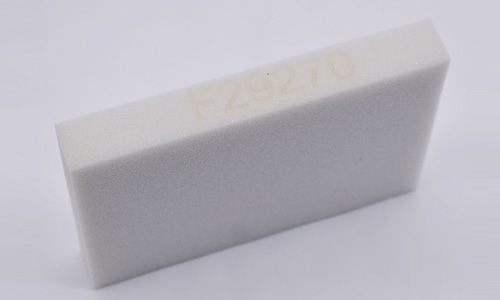
1. Simultaneous Development of Standardized Mass Production and Personalized Customization
The toddler seat sponge industry is presenting a dual-track development pattern of "large-batch standardization + small-batch high-precision customization". On one hand, the demand for sponges for universal toddler seats tends to be large-scale, low-cost and standardized. By optimizing the foaming formula and molding process, stable quality control and cost advantages can be achieved. On the other hand, with the upgrading of new energy vehicle interiors and the growing personalized demand for high-end child seats, the demand for customized sponges featuring light weight, ultra-thin profile, high flexibility and high flatness has increased significantly. Such customized products usually require mold-opening foaming based on the specific structure of the seat, which puts higher requirements on the precision and flexibility of the production process. Leading enterprises in the industry are introducing digital foaming control systems and flexible production lines to achieve an efficient balance between standardization and customization.
2. Transparent and Digitalized Supply Chain Upgrade Has Become the Standard Configuration
The traditional sponge procurement model that relies on experience and personal connections is being phased out. The transparent and digitalized upgrade of the supply chain has become a standard capability for high-quality suppliers. Specific manifestations include: visualized progress, where customers can check the real-time production progress and logistics status of their orders; traceable samples, where each batch of samples has a unique traceability code for inquiries about raw material sources, production dates, test reports and other information; electronic test reports, where key indicators of the sponge such as density, rebound rate, flame retardancy and VOC content are all provided to customers in the form of electronic documents; systematic batch traceability, where problematic batches can be quickly located and recalled once quality anomalies occur. These digital means greatly reduce the risks of supply-demand mismatch and quality anomalies, and improve the response efficiency of the entire supply chain.
3. Production Capacity Is Concentrating Towards Large-Scale and Automated Operations
As industry entry thresholds rise and downstream customers impose increasingly strict requirements on quality stability, the production capacity of toddler seat sponges is gradually concentrating on enterprises with large-scale production capabilities and automated equipment. The traditional small-workshop manual foaming process is accelerating its exit from the market due to large quality fluctuations and insufficient environmental protection investment. It is being replaced by modern production lines equipped with automatic batching systems, constant-temperature and constant-humidity foaming workshops, and online density testing equipment. These automated devices can not only realize precise control of sponge density, but also greatly reduce quality fluctuations caused by manual operations. It is estimated that in the next 3 to 5 years, the market concentration ratio of the top 10 enterprises in the industry will increase from less than 30% at present to over 50%, forming a group of leading suppliers with scale advantages and technical barriers.



-
About
Company Profile Corporate Culture Corporate Image Qualification Certificates Partners Video Center -
Product
-
Cases
Toddler Seats Auto Interiors Electronics Packaging Building Sound Insulation Premium Packaging Rehab Products Home Furniture AC Special Use Sports Goods More>> -
News
Company News Industry Insights FAQs -
Contact
Contact