
jinyilijinyili
- Home
- About
Step into Jinyili
- Product
Product
- Cases
- News
-
+86 135 4946 4701
-
Hot Searches:Sponge Manufacturer | Sponge Products | Polyurethane Sponge | Packaging Sponge | High-Density Resilient Sponge
- Product

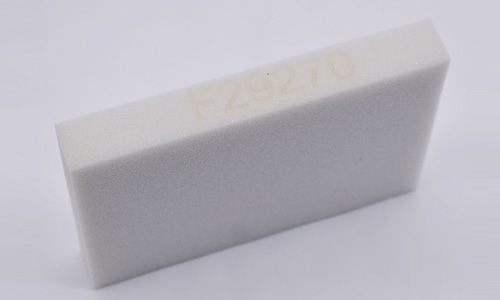
1. Tightening Environmental Regulations Drive Comprehensive Upgrading of the Material System
In recent years, with the continuous upgrading of in-vehicle air quality standards and infant product safety regulations, the toddler seat sponge industry is undergoing a profound material transformation. The oil-based adhesive lamination process that was widely used in the past is being phased out at an accelerated pace due to its high VOC (Volatile Organic Compounds) emission and strong odor. It is being replaced by environmentally friendly processes such as PUR hot-melt adhesive lamination and flame non-adhesive lamination. These new processes can significantly reduce the residue of harmful substances such as formaldehyde and benzene series in sponges. At the same time, low odor, low VOC and DMF (Dimethylformamide)-free have become the bottom-line requirements for industry access. They are no longer selling points for high-end products, but basic conditions that all compliant products must meet. This trend forces upstream raw material suppliers to accelerate the R&D of green raw materials such as low-volatility polyether polyols and environmentally friendly foaming agents, promoting the entire supply chain to transform towards environmental friendliness.
2. Accelerated Commercial Application of Bio-based and Degradable Materials
Driven by the dual effects of the "Dual Carbon" policy and the rising environmental awareness of consumers, bio-based degradable sponge materials are moving from the laboratory to industrial production. Multiple enterprises have entered the small-batch trial production stage for bio-based polyurethane sponges made from natural vegetable oils such as castor oil and soybean oil. Such materials not only reduce dependence on petroleum-based raw materials, but also achieve biodegradation under specific conditions, lowering the environmental burden after disposal. In addition, functional environmentally friendly materials such as graphene composite thermal insulation sponges and bamboo charcoal adsorption sponges are also under accelerated R&D, and are expected to be gradually applied on a large scale in high-end toddler seats within the next 2 to 3 years. However, bio-based sponges still face challenges such as relatively high cost and pending verification of performance stability, so it still takes time to fully replace traditional sponges on a large scale.
3. Expanded Application of Recycled Sponges in Non-Direct Contact Parts
Driven by the concepts of cost reduction, efficiency improvement and circular economy, the application scenarios of compliant recycled sponges are expanding. Recycled polyurethane sponges that have undergone strict sorting, cleaning, crushing and reprocessing have the capability to replace virgin sponges in non-direct contact parts of toddler seats such as base filling and side wing protection. Such recycled materials can not only reduce raw material costs by about 20% to 30%, but also meet the requirements of environmental protection certification. However, it needs to be emphasized that recycled sponges must pass strict harmful substance testing to ensure they do not contain prohibited substances such as heavy metals and phthalates before they can be used in toddler seat products. At present, many enterprises in the industry have established batch traceability systems for recycled sponges, realizing full-process traceability from recycling to application.



-
About
Company Profile Corporate Culture Corporate Image Qualification Certificates Partners Video Center -
Product
-
Cases
Toddler Seats Auto Interiors Electronics Packaging Building Sound Insulation Premium Packaging Rehab Products Home Furniture AC Special Use Sports Goods More>> -
News
Company News Industry Insights FAQs -
Contact
Contact